Maggie’s infertility
Never Kiss a Man in a Christmas JumperMaggie’s infertility is the consequence of an emergency hysterectomy after the difficult birth of Ellen, her first and only child. Although the operation did not initially seem important to sixteen-year-old Maggie, its meaning changed as she grew older. Years later, she grieves the children she cannot have and fears that this fact makes a future with Marco Cavelli unfair to him. The conflict turns on more than a medical history: Maggie treats childlessness as a limit on what she can offer, while Marco insists that their shared life should not be decided for him in advance.
Identity and Background
Maggie’s inability to have more children began with complications following Ellen’s birth. She had been in labour for more than two days, and after the baby arrived, Maggie suffered a postpartum haemorrhage. The medical emergency led to an emergency hysterectomy and a blood transfusion. She later recalls that she lost consciousness during the crisis and woke hours afterward to a changed future.
At sixteen, Maggie did not understand the long-term significance of the hysterectomy. She already had a newborn to care for, and one child seemed more than enough. The possibility that she might someday mourn not having other children had not yet become real to her. The operation’s consequences therefore belong both to the immediate emergency and to a later life: the physical fact was established at Ellen’s birth, but its emotional weight arrived years afterward.
The Delayed Meaning of Ellen’s Birth
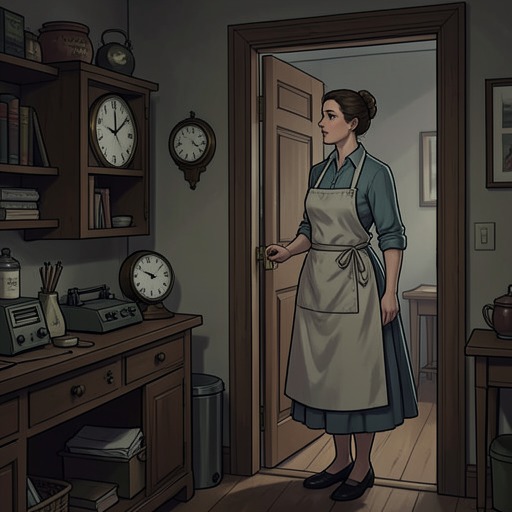
Maggie revisits the birth through an old memory book. Its photographs bring back the hospital room, Ellen as a newborn, and Maggie’s own youth and exhaustion. Her recollection emphasizes how little control she felt during the long labour and the subsequent emergency. She remembers wanting her mother, while her father tried to understand what was happening and stayed beside her. The episode left Maggie with a future she had not chosen or anticipated, even though its full implications were not immediately apparent to her.
The consequences became clearer only when Maggie was older, well into her twenties. By then, the hysterectomy had become a source of grief for the children she would never have. Her account connects that delayed sorrow to the circumstances in which she first became a mother: she was sixteen, frightened, and faced with the demands of raising Ellen without the support she had hoped for from her own mother. This history helps explain why the question of having children later carries such emotional force, even though Maggie already has a daughter.
Disclosure and Maggie’s Decision
When Leah confronts Maggie about her feelings for Marco, Maggie admits that she loves him but says she cannot let the relationship continue. Seeing Marco with Luca, she believes he deserves a family like Leah’s and considers him naturally suited to fatherhood. She tells Leah that Ellen was her first and only child and that she cannot have more. Maggie frames ending the relationship as a way to avoid taking the chance of fatherhood away from Marco.
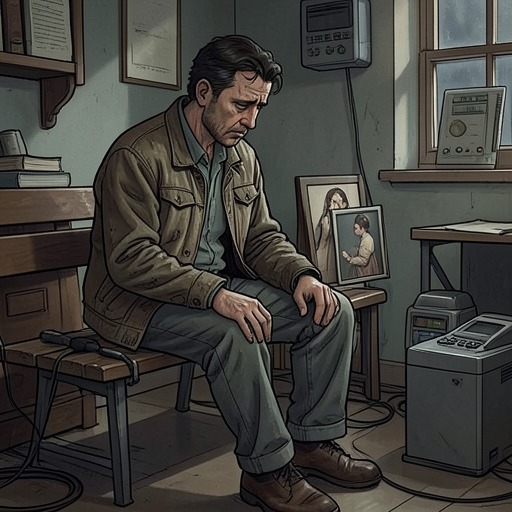
Until this conversation, Maggie has not discussed the issue with Marco or, in fact, with anyone other than her father, who was present when the birth went wrong. She has not told Ellen, believing it would be unfair to place that knowledge on her daughter. Her silence has left her to live with the loss privately and to make a consequential judgment about Marco without asking what he wants. Leah acknowledges Maggie’s pain but questions that judgment: deciding what Marco deserves, she argues, should be Marco’s choice.
Conflict with Marco and Possible Futures
Maggie carries her fear into her conversation with Marco. She remembers him as having wanted children and concludes that his feelings for her will eventually fade, leaving him to seek a future with someone else. Marco disputes her account of what he said about children and argues that she has made the question the defining obstacle between them. He does not claim that their circumstances will be easy; instead, he rejects the idea that her inability to become pregnant makes her incomplete or rules out a life together.
Marco also identifies futures that do not depend on Maggie having a child. He raises adoption as one possibility, suggests sharing time with Luca and Rob Jnr, and says that the two of them could simply build a life together. These alternatives answer Maggie’s fear with options rather than treating parenthood as a condition that must be satisfied. His response does not erase the medical history or Maggie’s grief, but it challenges the conclusion she has drawn from them: that loving him requires her to leave so he can have a different family.
Significance
The infertility shapes Maggie’s relationship by turning an old medical emergency into a present test of what she believes she can offer. Her concern for Marco is genuine, but it leads her to make his decision on his behalf and to conceal the history behind her fear. Leah’s intervention and Marco’s answer expose that gap between trying to protect someone and allowing that person to choose.
The narrative presents Maggie’s condition as both a concrete consequence of childbirth and a source of delayed grief, rather than as a problem resolved by romance. Marco’s proposals make room for family ties that need not depend on a biological child, while Maggie’s history remains part of the future they would have to consider together. The central change is therefore not a reversal of her infertility but a challenge to the belief that it alone determines whether a shared life is possible.